
Step-by-Step Login Process with Security Advice
Getting into an online gaming account starts with a clean and protected entry. A solid login process lets players reach their balances, games, and offers without unnecessary delays while keeping details locked down. The steps stay simple once the basics are clear, and the same approach works on phones or computers.
Why Entry Needs Care
A proper login process does more than open a page. It confirms identity, blocks strangers, and keeps funds where they belong. Platforms that follow Philippine rules put encryption and checks in place so every session stays private. Skipping those checks or using weak details creates openings that no one wants.
Players who treat entry as routine still benefit from small habits that cut down on problems. A private connection beats public Wi-Fi every time. Updated apps and browsers load faster and handle security prompts better. These details sound minor until something fails mid-session.
Getting Ready Before Starting
A few minutes of setup saves time later. Confirm the username or email matches the one used at registration. Keep the password ready and typed carefully. Mobile numbers linked to the account often receive codes, so that phone should be nearby.
Clear old cache if the page has acted strangely before. Switch to a trusted network. Avoid saving passwords on shared machines. These small checks form the quiet side of a smooth login process.
Helpful preparation steps include:
- Checking that the address bar shows the real site
- Turning on device locks and updates
- Confirming recovery email and number stay current
- Noting whether two-factor authentication is already active
Walking Through the Entry Steps
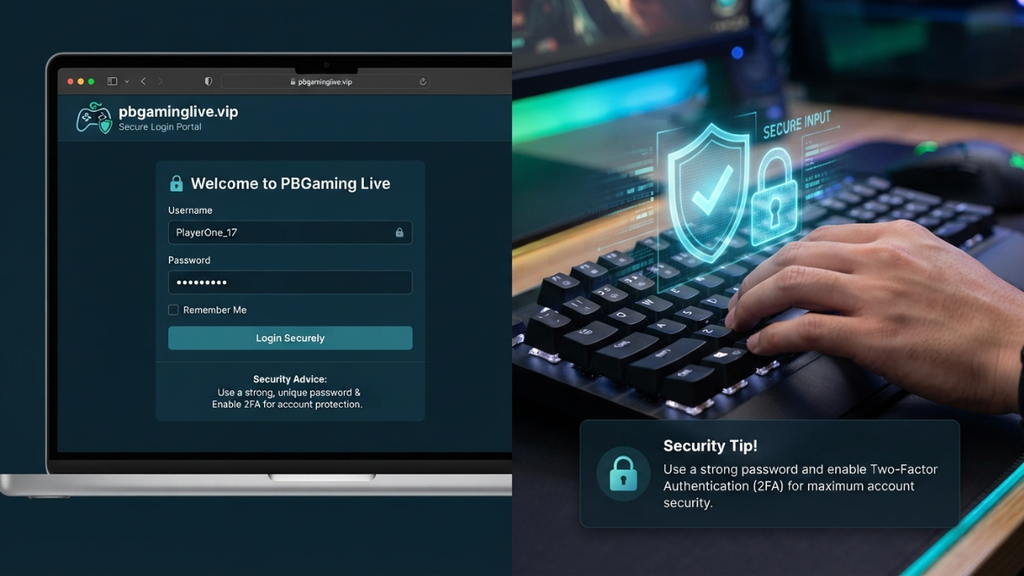
Open the official page or app and find the entry button, usually near the top. Select it. Type the username or email into the first field. Enter the password next, watching for capital letters. Some screens show a captcha or simple image puzzle. Finish that and submit.
When everything matches, the dashboard appears with games, balance, and menus. Two-factor authentication, if switched on, sends a short code by text or app. Type it in before the timer runs out. That finishes the login process and opens full access.
Failed attempts should stop after two or three tries. Repeated wrong passwords can lock the account for safety. Use the recovery link instead of forcing more tries.
Building Stronger Protection
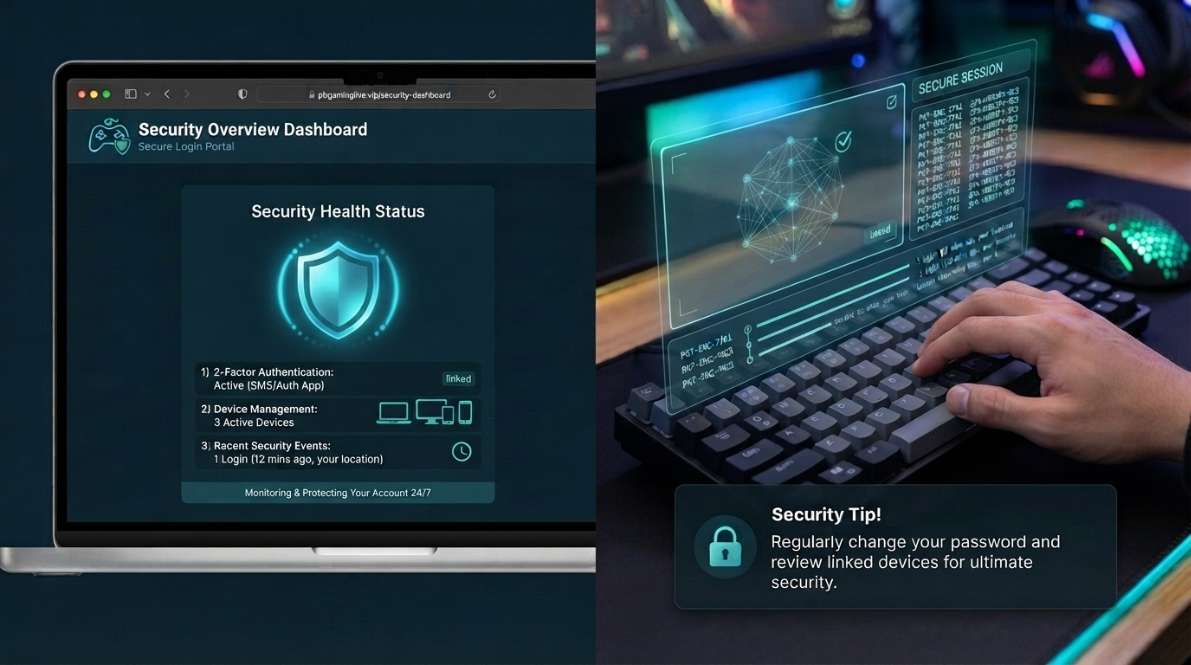
Passwords work better when they mix letters, numbers, and symbols. Avoid names, birthdays, or simple words. Change them from time to time through the settings once inside. Two-factor authentication adds a second barrier that stops most unwanted access even if the password leaks.
After entry, check the login history for unknown places or devices. Log out completely when finished, especially on shared computers. Never share credentials through messages. Official support never asks for passwords.
Extra habits that help:
- Reviewing recent activity regularly
- Using biometric options on phones after the first success
- Keeping recovery details up to date
- Reporting anything odd right away through the help channel
Handling Forgotten Details
The recovery path sits on the same entry page. Click the forgot-password link. Enter the registered email or mobile number. A reset message arrives quickly. Follow the link or code, create a new password, then return and enter the fresh details.
Locked accounts need support contact. Have identification ready, such as a government ID or proof of the registered number. Once ownership is clear, access returns in a short time. Email or number changes also require a verification step after the account opens.
Phone and Computer Differences
Mobile screens show larger buttons and sometimes fingerprint or face unlock after the first successful entry. Apps often load games faster and send notifications for new offers. Desktop browsers give more space for typing and password tools. Both lead to the same account and the same game list.
Switching devices stays easy. Complete the login process once on each, and the system remembers the secure connection. Choose the method that fits daily use without dropping the security steps.
What Opens After Successful Entry
The dashboard shows recent activity, available promotions, and transaction records. Bonus sections list current offers and any remaining requirements. Responsible tools appear for setting limits, timers, or short breaks. Support chat stays available for questions.
Favorite games and live tables load without extra clicks. Loyalty points track progress toward higher rewards. Checking the account often catches limited offers before they end. These features stay locked until the login process finishes correctly.
Fixing Common Roadblocks
Slow connections can interrupt the page. Refresh or change networks and try again. Browser extensions sometimes block scripts; turn them off for the session. Device clocks set to the wrong time mess with codes. Switch the clock to automatic and request a new one.
Outdated apps cause similar stalls. Update through the official store. If the page still fails, clear cookies for that site or open a different browser. Support handles stubborn cases once basic checks are done. Screenshots of error messages speed the reply.
Keeping Access Steady Over Time
Treat credentials as private. Review privacy choices inside the account. Turn on every security option the platform offers. Watch for login alerts if they arrive by email or text. These routines keep entry reliable month after month.
Responsible tools deserve regular attention. Set personal limits before play begins. The platform supplies the options for that reason. Consistent care turns the login process into a quick, quiet step rather than a source of trouble.
Players who follow the sequence, prepare the details, and keep security active spend less time on technical issues and more time on the features they came for. The steps stay the same across days and devices once the habits settle in.